
Manchester is one of the most exciting cities in the country. From the roar of the crowd at Old Trafford and the Etihad Stadium to the buzzing independent bars of the Northern Quarter, the Victorian grandeur of Manchester Town Hall, and the canal-side calm of Castlefield, this city has a personality like nowhere else.
But here is the thing nobody puts on the tourism website: Manchester also has pests. Lots of them.
That is not a criticism of the city. It is just a fact. Pest control in Manchester is in constant demand because the very things that make Manchester great — its history, its density, its mix of old and new buildings, its waterways, its nightlife — also create the perfect conditions for rats, mice, cockroaches, wasps, bed bugs, and more.
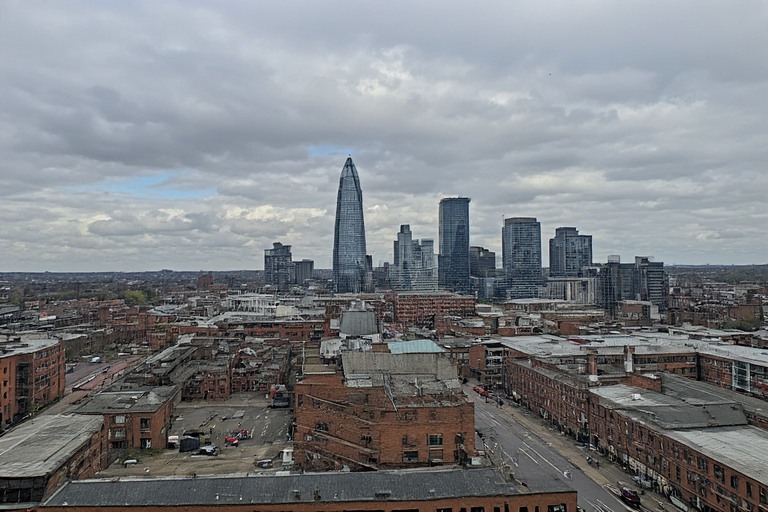
The city’s huge stock of Victorian and Edwardian terraced housing means cavity walls with no barriers, ageing drainage systems, and countless gaps and cracks that pests have been exploiting for over a century. The busy restaurant and bar scene across Deansgate, the Arndale quarter, and Rusholme’s famous Curry Mile means food waste is everywhere. The canal network running through Castlefield and Ancoats gives rats a natural highway right through the heart of the city. And Manchester’s damp climate — let us be honest, it rains a lot — drives pests indoors looking for warmth and shelter, especially from autumn onwards.
Manchester has its own particular mix of pests, shaped by the city’s climate, architecture, and lifestyle. Here is a quick-reference guide to the ones we deal with most often:
| Pest | One-Line Descriptor | Typical Signs | Quick Prevention Tips |
|---|---|---|---|
| Brown Rat | The single most common pest call-out in Manchester — thrives in drains, cavity walls, and loft spaces. | Droppings (dark, 10–14mm long), gnaw marks on wood or plastic, scratching noises in walls or ceilings, greasy smear marks along skirting boards, strong ammonia-like smell. | Seal gaps around pipes and cables with steel mesh. Keep bin lids closed. Do not leave pet food out overnight. Book a [CCTV drain survey](INTERNAL LINK — your drain survey page) to check for broken underground pipes. |
| House Mouse | Smaller and quieter than rats but just as persistent — loves kitchens, airing cupboards, and cavity walls. | Tiny droppings (3–5mm, like grains of rice), shredded paper or fabric for nesting, small gnaw marks, scratching or rustling at night, musty smell. | Store food in sealed containers. Block gaps under doors and around pipework — mice can fit through a 6mm gap. Clear clutter from under sinks and behind appliances. |
| German Cockroach | Manchester’s most common cockroach species — mainly found in restaurants, takeaways, and flats with shared heating systems. | Small (12–15mm), light brown insects often spotted at night near heat sources. Droppings look like ground pepper. Musty, oily smell in heavy infestations. Egg cases (oothecae) in cracks and crevices. | Fix leaking taps and pipes — cockroaches need water. Deep-clean behind cookers, fridges, and dishwashers regularly. Seal cracks around skirting boards and kitchen units. Never ignore even one sighting. |
| Bed Bugs | A growing problem in Manchester, especially in flats, hotels, student accommodation, and Airbnbs. | Small blood spots on sheets. Itchy red bites in lines or clusters, usually on arms, shoulders, or legs. Tiny (5mm) flat brown insects hiding in mattress seams, headboards, and bed frames. Sweet, sickly smell in heavy infestations. | Inspect second-hand furniture before bringing it home. Check hotel mattress seams when travelling. Wash bedding at 60°C regularly. Do not attempt DIY treatment — bed bugs need professional heat or chemical treatment. |
| Wasps | Nests appear from late spring through summer, commonly in lofts, soffits, air bricks, sheds, and garden walls. | Increased wasp activity around one area of the building. Visible nest (papery, grey, often football-sized or larger by late summer). Wasps entering and exiting a single hole repeatedly. | Do not attempt to remove a nest yourself — wasps become aggressive when disturbed. Keep sweet food and drinks covered outdoors. Check loft spaces and soffits in early spring for small starter nests. |
| Ants (Black Garden Ant) | Mostly a nuisance pest — trails of ants marching across kitchen floors and worktops in spring and summer. | Visible ant trails, usually leading to a food source. Small piles of fine soil or sand near walls, paving, or door frames (nest entrances). Flying ants in large numbers on warm summer days. | Wipe up spills immediately. Store sugary foods in sealed containers. Seal cracks around doors, windows, and where walls meet floors. Pouring boiling water on an outdoor nest can help short-term. |
| Grey Squirrel | Common in leafy suburbs like Didsbury, Chorlton, and Withington — causes serious damage when it gets into lofts. | Loud scratching and thumping in the loft, especially early morning and late afternoon. Chewed roof timbers, stripped electrical cables, shredded insulation, droppings larger than rat droppings. | Trim tree branches that overhang the roof. Repair damaged soffits and fascia boards. Fit wire mesh over any gaps at the roofline. Never block an entry point without confirming the squirrel is out first. |
| Feral Pigeons | A major issue in Manchester city centre, around commercial buildings, balconies, flat roofs, and railway infrastructure. | Large amounts of droppings on ledges, windowsills, and walkways. Nesting material (twigs, feathers) in gutters and on flat roofs. Persistent cooing. Blocked gutters and drainage from nesting debris. | Install bird spikes or netting on ledges. Do not feed pigeons. Clear nesting material promptly. Pigeon droppings carry diseases — always wear gloves and a mask if cleaning them up. |
| Fleas | Usually brought in by pets but can also be present in properties where previous tenants had cats or dogs. | Itchy bites on ankles and lower legs. Tiny (2mm) dark brown insects jumping on carpets, rugs, or pet bedding. Pets scratching excessively. Flea dirt (black specks) in pet fur. | Treat pets with veterinary-approved flea products regularly. Vacuum carpets and soft furnishings frequently, especially around pet sleeping areas. Wash pet bedding at 60°C. If moving into a new property, have carpets professionally treated before moving in. |
| Clothes Moths | Increasingly common in Manchester — damages wool, silk, cashmere, and natural-fibre carpets. | Small (6–8mm) golden-brown moths fluttering near wardrobes or dark corners. Irregular holes in woollen clothing. Silky webbing or small tubes (larval cases) on fabric. Damage to natural-fibre carpets, especially under furniture. | Store out-of-season woollens in sealed bags with cedar blocks or lavender. Vacuum wardrobes and carpet edges regularly. Dry-clean or freeze garments you suspect are affected. Moth traps can help monitor the problem. |
| Foxes | Found across every part of Manchester — more of a nuisance than a health risk but can cause damage to gardens, bins, and outbuildings. | Overturned bins and scattered rubbish. Strong, musky smell. Fox droppings on lawns, paths, and decking. Digging in flower beds and under sheds. Loud screaming calls at night, especially in winter (mating season). | Use fox-proof bins or bungee cords on bin lids. Do not leave food waste or pet food outside. Block gaps under sheds and decking with wire mesh. Remove fallen fruit from gardens. |
Frequently Asked Questions — Pest Control in Manchester
These are the questions we get asked most often by homeowners, tenants, and business owners across Manchester.
“How much does pest control cost in Manchester?”
It depends on the pest, the size of the property, and how bad the problem is. As a rough guide:
- Rat or mouse treatment : typically starts from around £120–£220 for a standard terraced house, but can be more if drain work or extensive proofing is needed.
- Wasp nest removal: usually £90–£120 for a single nest.
- Bed bug treatment: from around £160–£800 depending on the number of rooms.
- Cockroach treatment: from around £160–£300 depending on the severity.
We always give a clear, fixed quote after inspection. No call-out fees and no hidden charges. northwestpestfinder
“Does Manchester City Council still offer pest control?”
Manchester City Council does offer some pest control services, but availability and charges change regularly. For some pests and some households, the council may offer a subsidised or free service. However, council services often have longer wait times and may not include proofing work. If you need a fast response or a more comprehensive solution, a private pest control company in Manchester is usually the better option.
“Why are there so many rats in Manchester?”
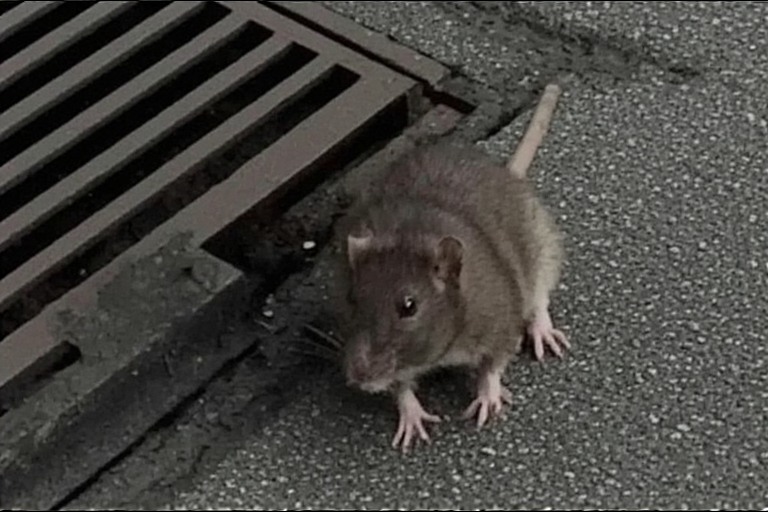
Manchester has an old, extensive sewer system, a high density of food businesses, millions of tonnes of waste generated every year, a large stock of older housing with plenty of entry points, and a canal network that rats use as a transport route. According to the British Pest Control Association (BPCA), urban rat populations across the UK have been rising for years, and Manchester is no exception. The city simply has all the ingredients rats need: food, water, shelter, and easy access into buildings.
“How do I report a rat problem in Manchester?”
You can report rats on public land (streets, parks, alleyways) to Manchester City Council. If the rats are on your property or inside your home, you will need to arrange your own pest control. a council tenant, contact your housing provider — they may cover the cost. If you are a private tenant, speak to your landlord first, as they may be responsible under the terms of your tenancy agreement.
“Is my landlord responsible for pest control in Manchester?”
It depends on the cause. Under the Landlord and Tenant Act 1985, landlords are responsible for maintaining the structure and exterior of the property, which includes keeping it in a condition that does not allow pests to enter.rats are getting in through a structural defect — like a broken drain or a hole in the wall — then it is the landlord’s responsibility to fix it. If the infestation is caused by the tenant’s behaviour (for example, leaving food waste out), the tenant may be responsible. If you are unsure of your rights, Shelter has a useful guide.
“What is the most common pest in Manchester?”
The brown rat. By a distance. It accounts for more call-outs than any other pest in the city. Mice are second, followed by wasps (seasonal), cockroaches (mainly in commercial properties and flats), and bed bugs (mainly in rented accommodation, student housing, and hotels).
“Are cockroaches common in Manchester?”
More common than most people realise, especially in flats, restaurants, and commercial kitchens. The German cockroach is the species we see most often. They thrive in warm, humid environments near food and water — which means kitchens, bakeries, laundrettes, and heated apartment buildings are all at risk. One cockroach usually means many more are hiding nearby, so early professional treatment is critical.
“Can rats really come up through the toilet in Manchester?”
Yes, it can happen, although it is not common. If there is a break in the underground drainage system, or if the water seal in the toilet trap dries out (which can happen in unused bathrooms), rats can travel through the sewer pipe and emerge through the toilet bowl. It sounds like a horror film, but it is a documented reality. A CCTV drain survey can identify whether your drainage system is compromised. Learn more about our drain survey service here
“I run a restaurant in Manchester. What pest control do I need?”
Under UK food safety law, all food businesses must have adequate pest control measures in place. The Food Standards Agency requires businesses to prevent pest access, maintain clean premises, and keep records of any pest control activity. Most restaurants and takeaways in Manchester use a contract pest control service, which includes regular scheduled visits, monitoring stations, and emergency call-out cover. If you do not have a pest control contract in place, you are putting your food hygiene rating — and your business — at risk. [Get in touch to discuss a commercial contract]
